When Words Stall, Colors Speak: Harnessing Paint Therapy for Anxious Minds
Sometimes the mind fills with a storm of feeling that words can’t untangle. In those moments, a brush can become a compass, guiding you from anxiety to calm through hue, texture, and rhythm.
The brain’s hidden palette
Neuroscience shows that visual processing and emotional regulation share pathways in the prefrontal cortex and the amygdala. When you choose a color, your brain registers its wavelength and links it to memory and mood, a process known as chromatic affective coding. Warm reds can raise arousal, while soft blues tend to lower heart‑rate variability, creating a physiological feedback loop that mirrors your inner state.
- Color perception can shift attention away from rumination, offering a brief mental "reset".
- Physical brush strokes activate the motor cortex, which releases dopamine, a natural mood‑boosting neurotransmitter.
Try this: Before you start, glance at the sky outside or a nearby flower and note the first color that catches your eye. Let that hue become the anchor for your canvas.
Mirrora’s Paint Therapy Arc
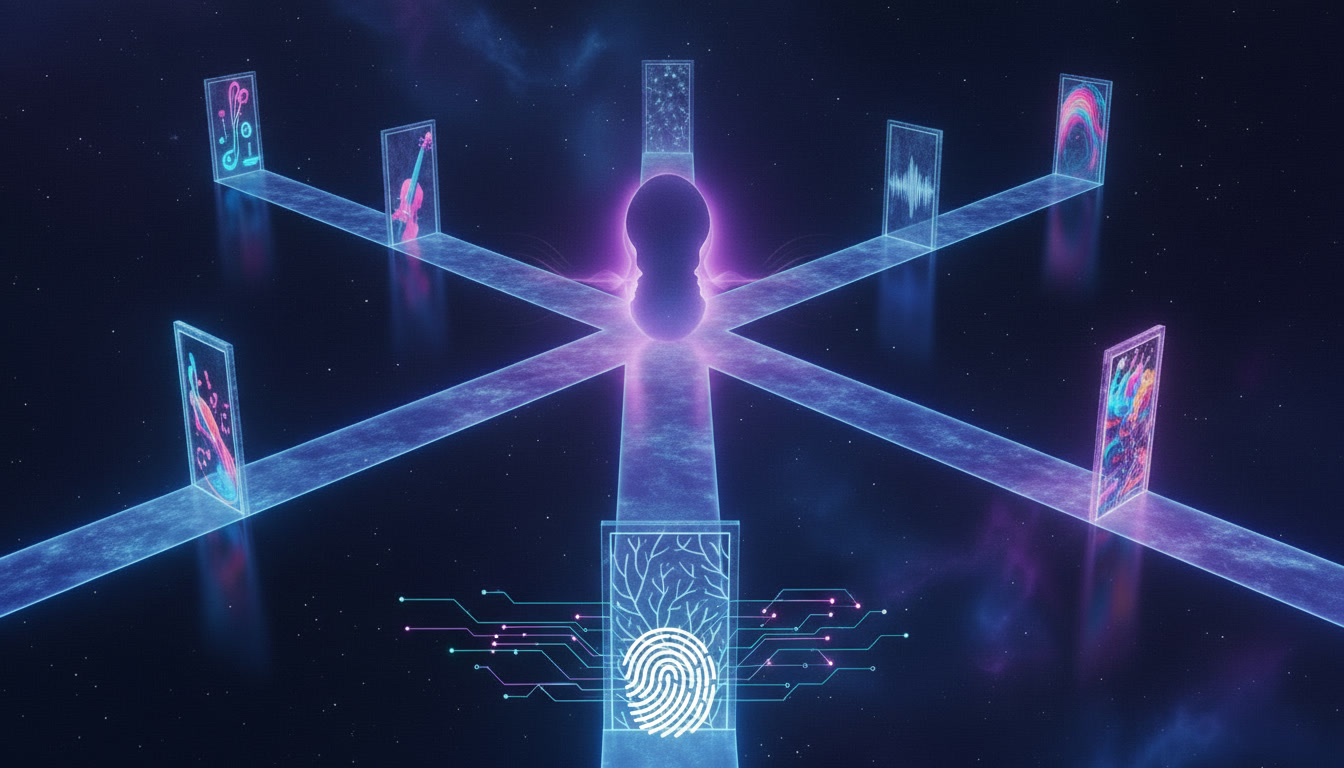
Mirrora structures the creative flow into four intuitive phases, each paired with a subtle soundscape that deepens focus.
- Arrival: Ground yourself with a short breathing cue while a single‑note piano drifts in the background.
- Grounding: Sketch a simple shape—circle, line, or splash—without judgment, letting the sound of distant water guide your hand.
- Release: Choose a dominant emotion (e.g., anxiety) and translate it into color, pressure, and movement. The music shifts to a low‑drone, supporting the emotional surge.
- Deep Flow: Expand the canvas with textures, layering, and occasional pauses. A gentle synth echo invites reflection.
When the arc concludes, Mirrora’s AI reflects back key patterns—color families, stroke intensity, and tempo—helping you see the story your hand just told.
Your personal canvas ritual
Integrate paint therapy into a daily routine with these three mindful steps.
- Set a timer for 10 minutes. Light a scented candle or incense that matches your chosen hue.
- Begin with the Arrival sound, then let your brush move freely, naming each color aloud as it appears.
- Close with a brief journal note or a voice memo in Mirrora, summarizing the sensation you felt during Release.
The ritual may feel awkward at first; consistency is the alchemy that turns raw anxiety into visual insight.
Artist spotlight: Maya Rivera, a freelance violinist‑turned‑painter, describes her first Mirrora session as “watching my anxiety dissolve into lilac streaks while a cello sighs in the background.” Her commissioned piece now hangs in our community gallery, illustrating how sound and pigment can co‑author a personal narrative.
“The brush became my voice when my throat closed; the colors sang the words my mind could not form.”
Mirrora is a wellness platform, not a medical service. If you are in crisis, please contact local emergency services or a licensed mental‑health professional.
Ready to let color carry your story?
Start free · Explore Paint Therapy · Pair with Music · See Plans · Read More