When Words Run Dry: Translating Anxiety into Canvas with Mirrora’s Paint Therapy
Sometimes the mind feels tangled, and language can feel like a thin thread breaking under pressure. In those moments, a brush and a palette become a safer, more honest voice.
The Silent Storm: Why Words Stall
Anxiety often lives in the space between thought and expression. When the inner narrative accelerates, the verbal center can shut down, leaving a feeling of being heard but unheard. This is why many people reach for visual outlets—they bypass the linguistic bottleneck and tap directly into visceral sensation.
- Rapid thoughts can overload the prefrontal cortex, dimming language centers.
- Non‑verbal channels engage the limbic system, allowing feelings to surface without the need for sentence structure.
Try this: Open a fresh canvas in Mirrora’s Paint Therapy, set the timer to 5 minutes, and let your first color choice be the one that “feels” most urgent.
Color as Language: A Glimpse of the Science
Research shows that hue, saturation, and stroke dynamics light up brain regions linked to emotion regulation. Warm reds can amplify arousal, while cool blues often calm the amygdala. The act of moving a brush creates proprioceptive feedback that grounds the nervous system.
Mirrora’s AI‑assisted reflection then mirrors these choices, offering gentle prompts like “What does this swirl remind you of?” to deepen self‑inquiry.
Guided Arcs on Canvas: Arrival → Grounding → Release → Deep Flow
Each paint session follows the same four‑phase arc used in our music therapy, but translated into visual form:
- Arrival: Choose a base color that represents the current mood.
- Grounding: Lay down broad, steady strokes to create a tactile anchor.
- Release: Introduce contrast—sharp lines, splatters, or aggressive hues—to externalize tension.
- Deep Flow: Blend, swirl, or feather the paint, allowing patterns to emerge organically.
When you finish, Mirrora’s reflection engine suggests a short written note or a spoken journal entry that ties the visual story to everyday life.
Note: You don’t need artistic skill. The platform’s AI can suggest colour palettes or suggest brush‑size adjustments based on your reported anxiety level.
From Brush to Insight: Turning Canvas into Dashboard Data
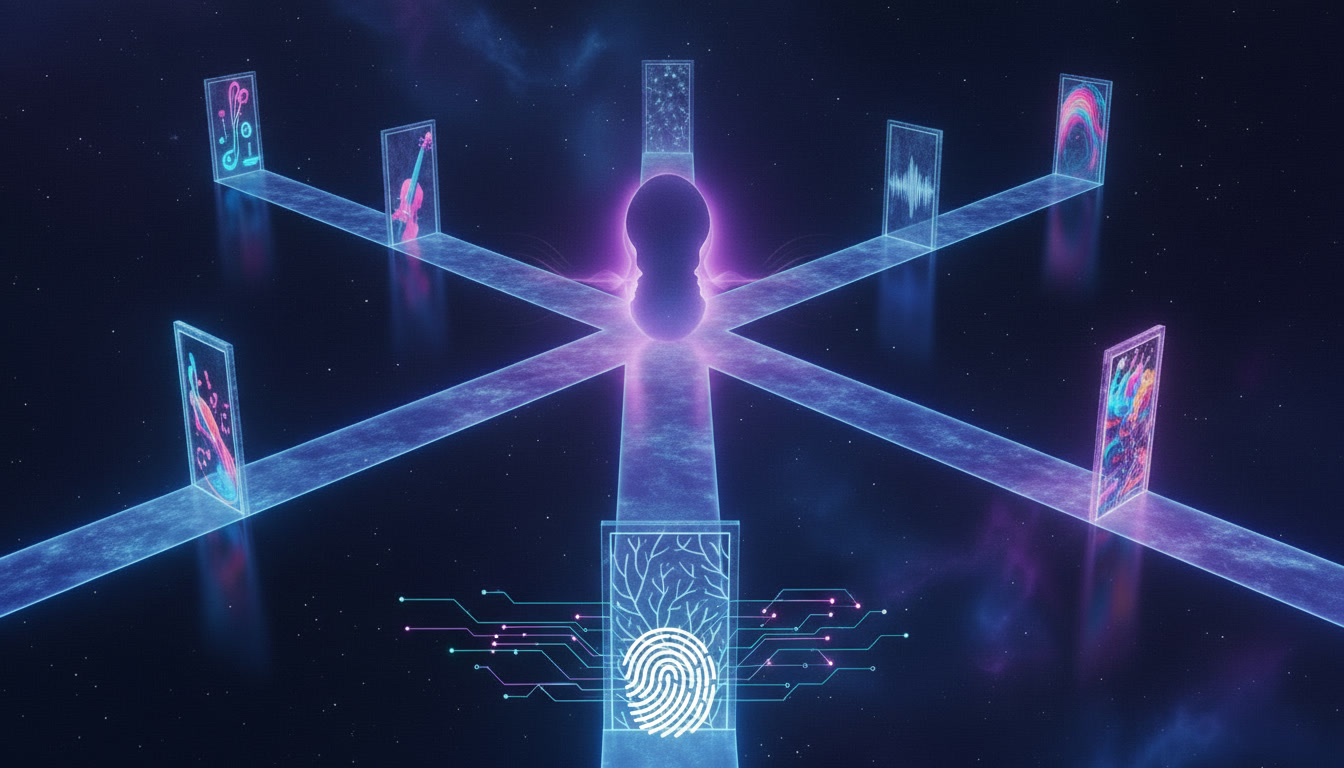
After the session, your canvas is saved to the private dashboard. The system extracts simple metrics—dominant hue, stroke intensity, and session length—and visualizes them alongside your mood check‑ins. Over weeks, patterns emerge: “I tend to start with jagged reds on high‑stress days, but shift to soft blues after a grounding music session.”
This multimodal view helps you see how sound and color together shape your internal climate.
Weaving Paint Therapy into Your Weekly Rhythm
Consistency turns a single expressive burst into a habit of self‑regulation. Pair your paint session with a short music arc, or schedule it after a stressful meeting. The habit loop looks like this:
- Trigger: Notice a rising anxiety cue (tight chest, racing thoughts).
- Action: Open Mirrora, select a 10‑minute Paint Therapy.
- Reward: Observe the immediate shift in heart rate or the emergence of a new colour.
- Reflection: Log a one‑sentence insight on the dashboard.
Over time the brain learns to associate the brush with calm, reducing the need for crisis‑level coping.
“When language fails, the canvas listens.”
Mirrora is a wellness platform, not medical care. If you are in crisis, contact local emergency services or a licensed professional.
Ready to paint your peace?
Start free · Paint therapy · Music session · Explore plans · Read more · Our music arcs